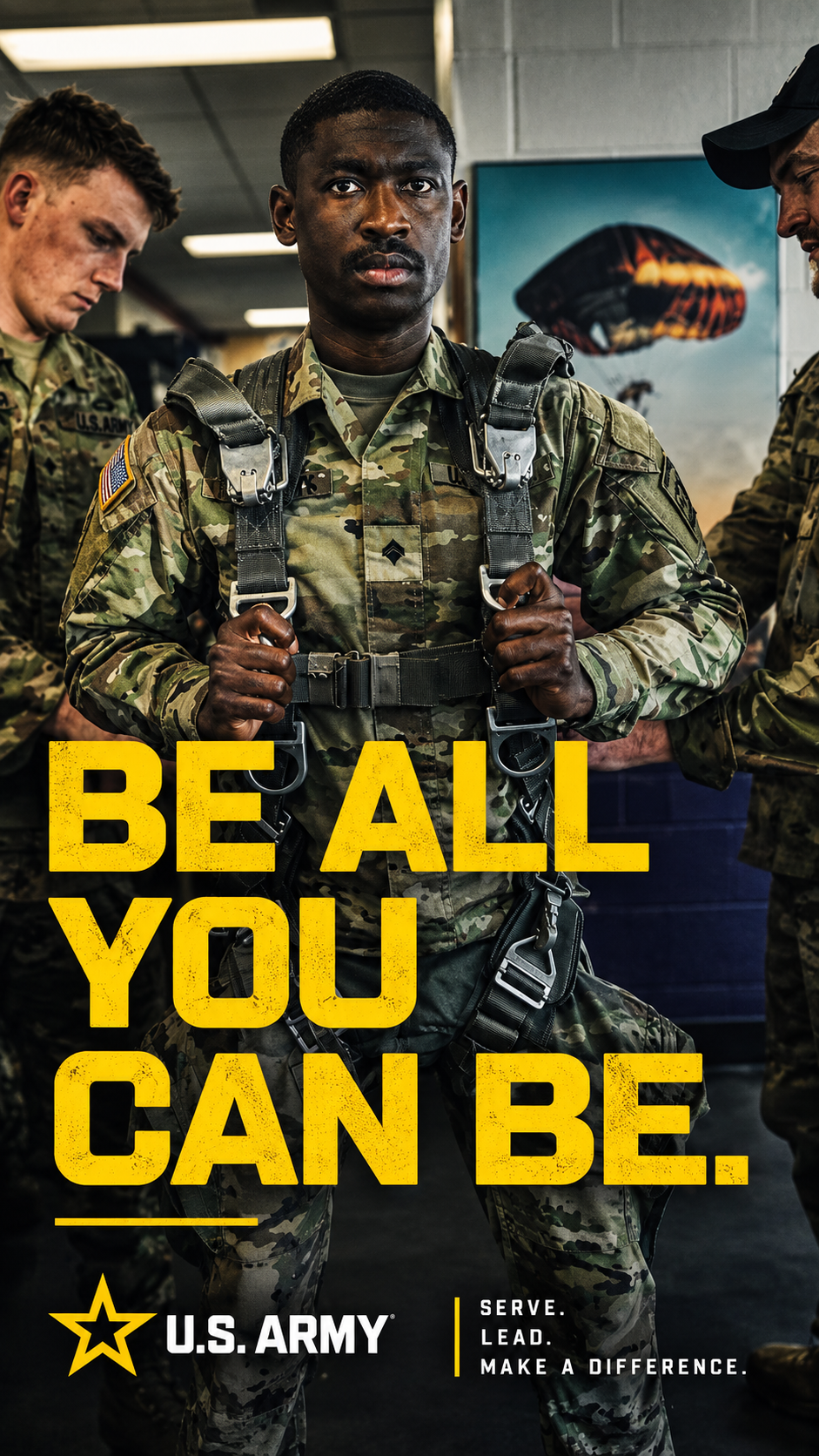
For most of modern American history, military uniforms were designed to disappear.
Camouflage patterns were designed to break up a human silhouette in various environments. Load-bearing vests, cargo pockets, reinforced boots and standardized cuts were functional necessities — solutions to problems that involved weight, heat, concealment and survival.
Over the last two decades, however, those solutions have been pulled into civilian fashion, stripped of context and resold as style.
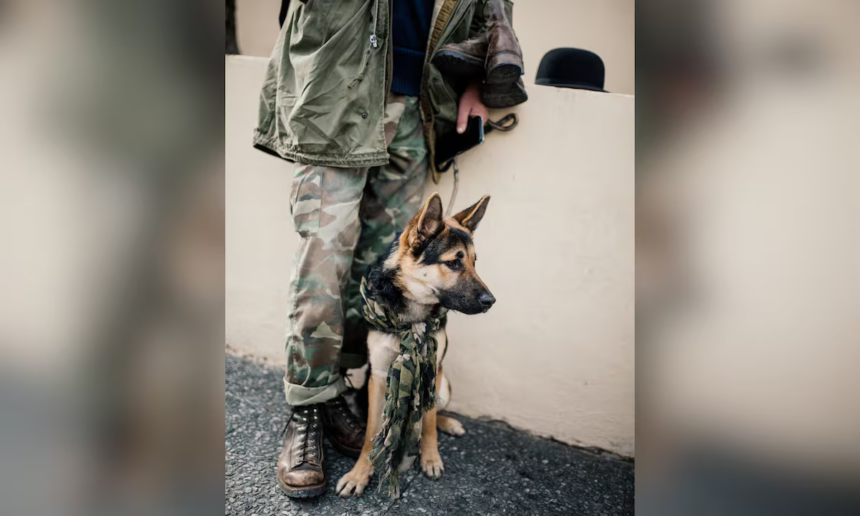
Camo pants appear on runways. Tactical vests are worn to music festivals. Combat boots become seasonal staples. What was once functional equipment tied to service, sacrifice and sometimes trauma is now treated as visual shorthand for toughness or rebellion.
RELATED
Camouflage is the clearest example. The pattern is now everywhere, from luxury collections to fast-fashion racks, often marketed as edgy or ironic. A 2025 Cosmopolitan article on camo’s resurgence outlined how patterns originally designed for concealment are now used to attract attention, often paired with bright colors, exaggerated cuts or intentionally impractical silhouettes.
That shift matters because camouflage was never neutral. Patterns were developed through research, testing and real-world application. They were worn by people operating in environments where being seen could mean death. When those patterns are removed from that context, they become abstract. The issue is not that civilians wear camo, but that camo becomes detached from the reality that produced it.
The same applies to tactical silhouettes. Plate carrier-style vests, MOLLE-inspired straps and oversized cargo pockets have become common in streetwear, especially among younger consumers. A New York Post article last year highlighted backlash aimed at Gen Z influencers who have embraced what critics called “World War III cosplay,” featuring combat-themed outfits worn purely for aesthetic effect. The criticism was less about age or taste and more about tone. To veterans and military families, those silhouettes are associated with training cycles, deployments and loss, not vibes.
The politics of military fashion are also difficult to separate from the visuals.
A New York Times piece published earlier this year examined how camo clothing exists at the intersection of military history, political identity and consumer culture, noting that what was once a government-issued pattern now signals everything from protest to patriotism depending on who is wearing it and why. The same jacket can read as anti-establishment, pro authority or simply trendy, depending on the context that is often flattened in mass marketing.
For veterans, this flattening can feel jarring. Military uniforms are not costumes. Even after leaving service, many veterans are conscious of what they wear and when. There is an unspoken rule about earned symbols, especially patches, unit identifiers and medals.
While most service members understand that camo pants or boots are not stolen valor, the casual use of tactical gear can still land strangely.
As an Army veteran, I spent years wearing uniforms that were issued, inspected and worn for specific reasons. Every pocket had a purpose. Every strap was adjusted for weight distribution. When I see a tactical vest worn over a mesh shirt at a festival, my first instinct is not offense but confusion.
That disconnect is where frustration often lives for veterans. It is not about ownership of style. It is about meaning. Military gear is designed through lessons learned, often the hard way. Removing that function turns hard experience into aesthetic shorthand, and that shorthand rarely tells the full story.
There is also a difference between influence and imitation. Military surplus has long been part of civilian wardrobes, especially after major wars. Field jackets, peacoats and boots entered mainstream fashion because they were durable and practical. The adoption was organic. What feels different now is the deliberate styling of combat as an accessory, divorced from utility and marketed at scale.
None of this means civilians should avoid military-inspired clothing. Fashion has always borrowed from institutions, subcultures and history — the issue is awareness. Wearing camo is not inherently disrespectful, but pretending it has no origin is dismissive.
Some brands have begun to acknowledge this gap by working with veterans, donating proceeds to service organizations or providing educational context alongside collections. Those efforts do not solve everything, but they show an understanding that aesthetics do not exist in a vacuum.
Veterans are not a monolith in how they respond to these trends. Some shrug it off. Others avoid military aesthetics entirely after leaving service. Some embrace the irony. What unites most responses is a desire for honesty.
Fashion will continue to cycle military aesthetics in and out of relevance. That is inevitable. What is not inevitable is forgetting where those aesthetics came from. Remembering the function behind the form does not ruin the look. It deepens it.
Observation Post is the Military Times one-stop shop for all things off-duty. Stories may reflect author observations.